
Cross-Chain BridgesTested01 APR 26

Orbit Bridge Review
15+ network multichain bridge
Affiliate link · doesn't affect score · independent methodology
0.0/ 5Skrumble Score
At a glance
Orbit Bridge supports 15+ networks. Note: a January 2024 incident affected the bridge — review covers post-incident security posture.
At A Glance
Who Is Orbit Bridge Best For?
Best for: Users needing cross-chain transfers between Ethereum, BNB Chain, and other major networks with dynamic fee structures Skip if: You need extensively audited smart contracts or prefer platforms with larger community adoptionOur Take
Our comprehensive analysis of Orbit Bridge reveals a platform that offers broad blockchain interoperability across multiple networks with ISMS security certification from KISA. While the platform demonstrates formal security management practices, it still faces challenges with limited smart contract audits and smaller community adoption compared to leading competitors.Skrumble Scoring Breakdown
Orbit Bridge offers solid cross-chain functionality with ISMS security certification, though limited smart contract audits and smaller community adoption still present some concerns for users. See our full crypto bridge scoring methodology here.What is Orbit Bridge and How Does it Work?
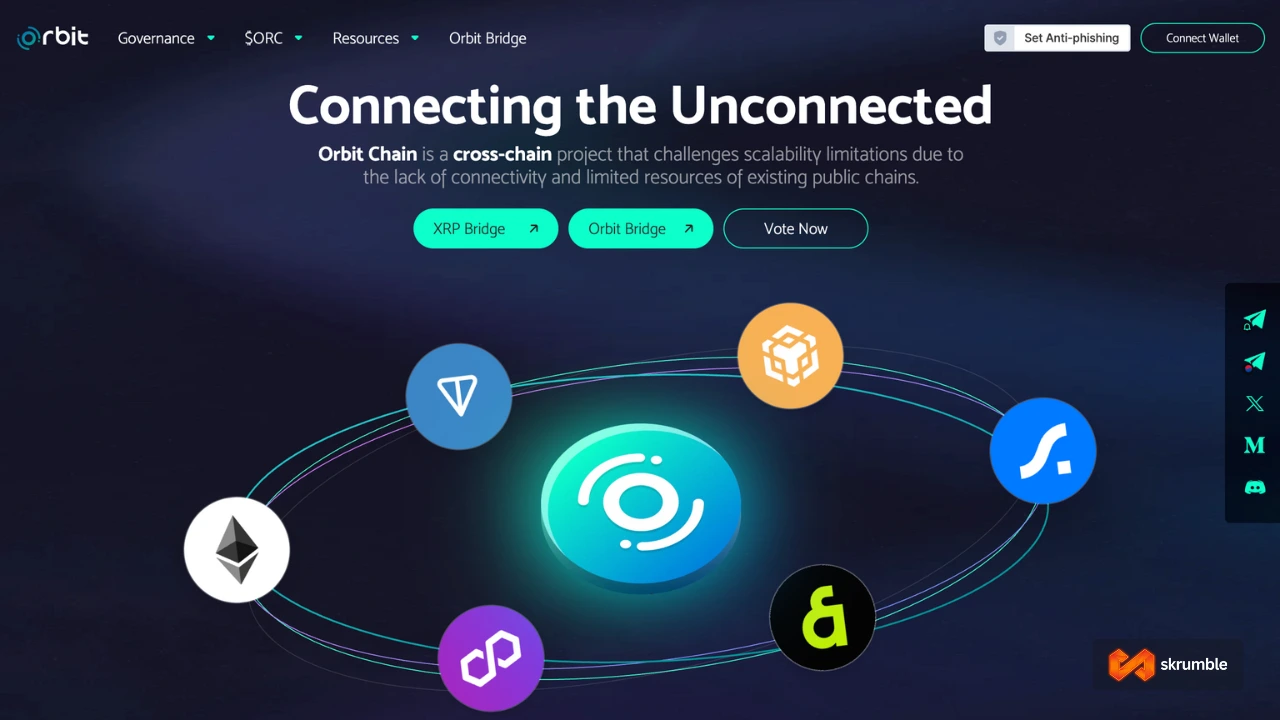 Orbit Bridge is a cross-chain bridge service that facilitates token transfers between different blockchain networks. The platform supports over 100 tokens across 15+ blockchain networks, positioning itself as a solution for the fragmented blockchain ecosystem.
The bridge operates using a lock-and-mint mechanism where assets are deposited on the source chain and representative tokens are minted on the destination chain. This process enables users to move their cryptocurrency holdings between previously incompatible blockchain networks.
Orbit Bridge utilizes a Multi-signature-based transaction consensus system. The protocol's governance structure includes Operator and Validator roles working together to process cross-chain transactions. Operators send transaction data while Validators verify and process the transactions through the Orbit Chain network.
The consensus and validation processes occur via transactions on the Orbit Chain, which the platform claims provides transparency and trustless operation. However, the limited public audit information raises questions about the actual implementation of these security measures.
Orbit Bridge is a cross-chain bridge service that facilitates token transfers between different blockchain networks. The platform supports over 100 tokens across 15+ blockchain networks, positioning itself as a solution for the fragmented blockchain ecosystem.
The bridge operates using a lock-and-mint mechanism where assets are deposited on the source chain and representative tokens are minted on the destination chain. This process enables users to move their cryptocurrency holdings between previously incompatible blockchain networks.
Orbit Bridge utilizes a Multi-signature-based transaction consensus system. The protocol's governance structure includes Operator and Validator roles working together to process cross-chain transactions. Operators send transaction data while Validators verify and process the transactions through the Orbit Chain network.
The consensus and validation processes occur via transactions on the Orbit Chain, which the platform claims provides transparency and trustless operation. However, the limited public audit information raises questions about the actual implementation of these security measures.
Unique Features
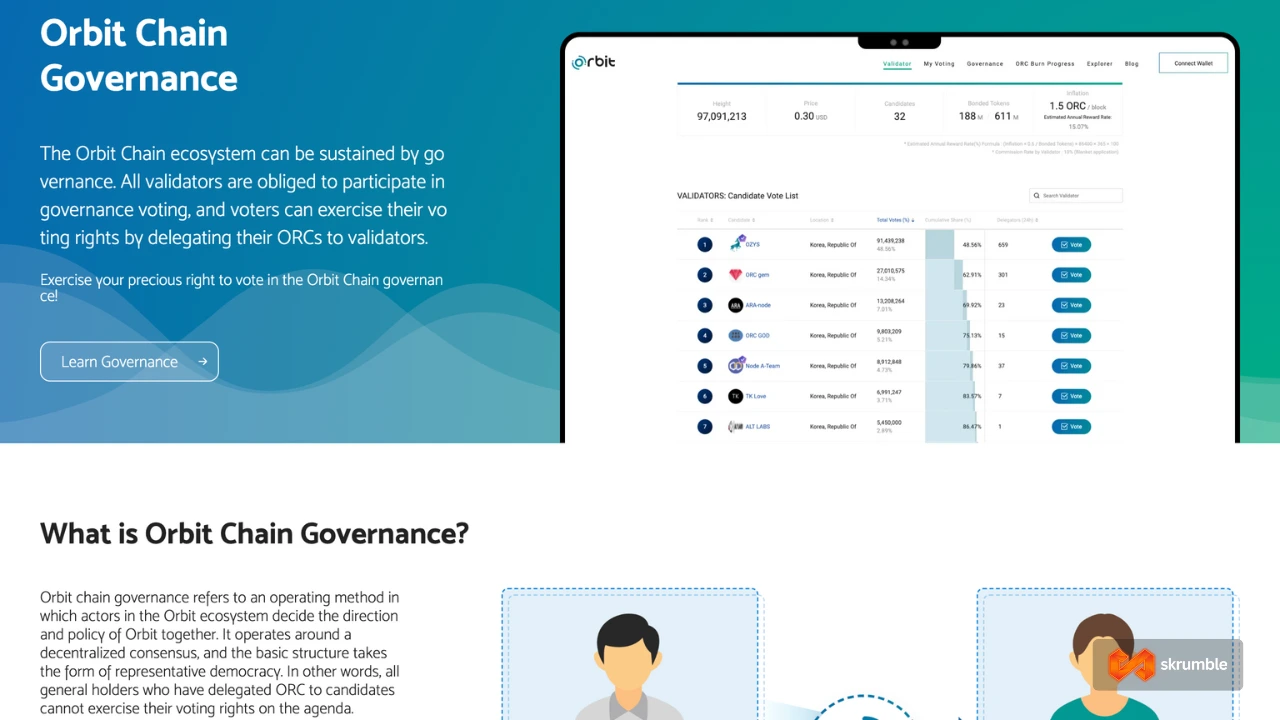
Orbit Bridge Explorer
The Orbit Bridge Explorer provides users with comprehensive transaction tracking capabilities. This blockchain explorer allows users to monitor cross-chain transfers in real-time and search for transactions, addresses, and blocks across the supported networks. Key features of the explorer include:- Transaction filtering by block height, address, and transaction hash
- Real-time data access for monitoring transfer status
- Pegged volume tracking showing assets locked in the bridge
- Integrated wallet creation for accessing Orbit Chain services
Cryptocurrencies Available on Orbit Bridge
Orbit Bridge supports over 100 cryptocurrencies including major assets like ETH, USDT, USDC, and the native ORC token. The platform covers essential DeFi tokens and stablecoins, making it suitable for various cross-chain DeFi strategies. Popular supported assets include:- Major cryptocurrencies: ETH, USDT, USDC, DAI, WBTC
- Native tokens: ORC, BNB, MATIC, AVAX
- DeFi tokens: Various protocol tokens across supported networks
Networks Available on Orbit Bridge
The platform supports 15+ blockchain networks, covering major Layer 1 and Layer 2 solutions:- Ethereum: The primary network for DeFi and NFTs
- BNB Chain: Binance's high-performance blockchain
- Polygon: Leading Ethereum scaling solution
- Avalanche: Fast, low-cost blockchain platform
- Additional networks: Klaytn, Celo, HECO, Ripple, Stacks, and others
Orbit Bridge Fees
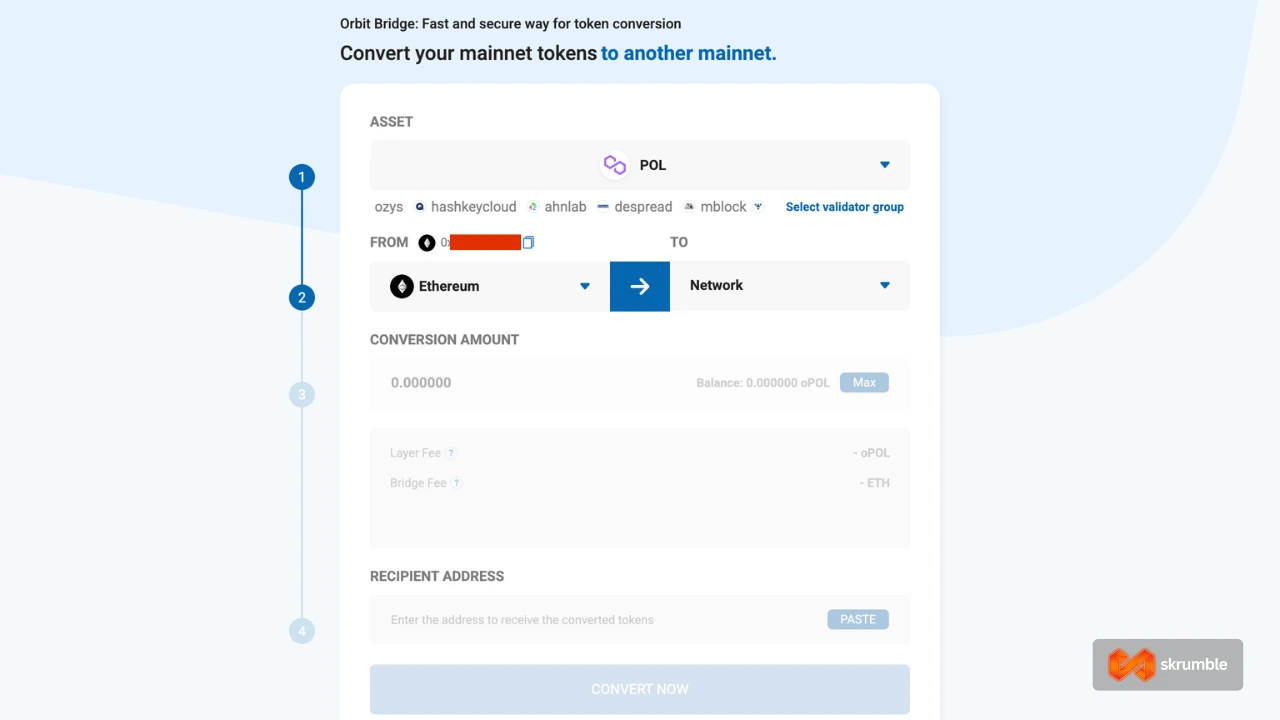
Orbit Bridge implements a dynamic fee structure that varies based on the networks involved and current market conditions. This approach allows the platform to adapt to changing network congestion and gas prices. The fee structure includes:- Variable cross-chain fees depending on source and destination networks
- Network-specific charges that reflect the underlying blockchain costs
- Dynamic adjustments based on transaction volume and network conditions
- Ethereum to BNB Chain: Varies with network congestion
- Polygon to Avalanche: Dynamic based on network conditions
- Transfers to Orbit Chain: Often reduced or free for ecosystem growth
Layer Fee Structure
The platform charges a percentage-based layer fee for certain transactions, typically around 0.1% of the bridged amount. This fee helps maintain the bridge infrastructure and supports the ORC token economy through buyback mechanisms.Is Orbit Bridge Safe?
 Security assessment of Orbit Bridge reveals mixed indicators that potential users should carefully consider.
Security Strengths:
Security assessment of Orbit Bridge reveals mixed indicators that potential users should carefully consider.
Security Strengths:
- Multi-signature consensus mechanism for transaction validation
- Decentralized validator network processing transactions
- Transparent on-chain validation through Orbit Chain
- ISMS certification from Korea Internet & Security Agency (2023-2026)
- Open-source architecture allowing community inspection
- Limited smart contract audits compared to leading bridges (though ISMS certified)
- Smaller community means less independent security review
- Lower adoption reduces battle-testing compared to major bridges
Orbit Native Token ORC
\$coin_id = get_field('coingecko_single_crypto'); if (\$coin_id) { echo ' The Orbit Chain Token (ORC) serves multiple functions within the Orbit Bridge ecosystem: Token Utility:- Governance participation in Orbit Chain protocol decisions
- Proof-of-Stake rewards for network validators
- Fee payment and discounts for bridge transactions
- Buyback and burn mechanism for deflationary pressure
- Layer Fee Revenue: Bridge fees fund ORC buybacks from the market
- Farm Earnings: DeFi yield strategies generate additional revenue
- Voting Rights: Token holders participate in protocol governance
Things We Do Not Like about Orbit Bridge
Our analysis identified several areas where Orbit Bridge falls short of user expectations and industry standards: Documentation and Transparency Issues: While the platform has ISMS certification demonstrating operational security standards, it could benefit from more comprehensive technical documentation about bridge mechanics and enhanced smart contract audit transparency. Limited Smart Contract Audits: Although Orbit Bridge operates under ISMS security management standards, it has fewer publicly available smart contract audits compared to leading bridge protocols like Stargate Finance or Portal Bridge. Community and Adoption: The platform has a smaller community compared to established bridges like Stargate Finance or Portal Bridge. This limits peer support, community-driven security reviews, and overall ecosystem development. Network and Asset Limitations: While supporting 15+ networks, Orbit Bridge lags behind leading competitors that support 30+ chains and thousands of tokens. The limited asset selection may not meet all user needs for comprehensive cross-chain strategies.Conclusion
Orbit Bridge presents a functional solution for cross-chain asset transfers with broad network support, ISMS security certification, and dynamic fee structures. The platform's multi-signature consensus mechanism, validator network, and formal security management practices provide reasonable security measures for cross-chain operations. While the ISMS certification demonstrates operational security standards, users seeking extensively audited smart contracts may prefer more established alternatives. The platform suits users comfortable with moderate-risk protocols who need access to its specific network combinations.Bottom Line
Orbit Bridge offers reliable cross-chain functionality with certified security management, though smart contract audit transparency could be improved.Skrumble Community Ratings
We're building our Orbit Bridge review section! Share your experience to help others, particularly regarding:- Your experience with different blockchain networks
- How fees compare to other cross-chain bridges
- Transaction times and any issues encountered
- Support quality and documentation clarity
FAQs
What is Orbit Bridge?
+ Orbit Bridge is a cross-chain bridge protocol that allows users to transfer cryptocurrency assets between different blockchain networks like Ethereum, BNB Chain, Polygon, and others. It supports over 100 tokens across 15+ networks.How does Orbit Bridge work?
+ Orbit Bridge uses a lock-and-mint mechanism where assets are locked on the source blockchain and equivalent tokens are minted on the destination chain. The process is validated through a multi-signature consensus system.What is the ORC token used for?
+ The ORC token serves as Orbit Bridge's native governance token, enabling holders to participate in protocol decisions, earn staking rewards, and benefit from fee revenue through buyback mechanisms.How long do Orbit Bridge transfers take?
+ Orbit Bridge transfers typically complete within 2-10 minutes, depending on network congestion and the specific blockchain networks involved in the transfer.What wallets does Orbit Bridge support?
+ Orbit Bridge supports popular wallets including MetaMask, Kaikas, Klip, and D'CENT. These wallets provide access to the platform's cross-chain transfer functionality across supported networks.Is Orbit Bridge safe to use?
+ Orbit Bridge implements multi-signature security measures and maintains ISMS certification from Korean authorities, demonstrating formal security management practices. However, it has limited smart contract-specific audits compared to leading bridges. Users should assess their risk tolerance accordingly.What are Orbit Bridge's fees?
+ Orbit Bridge uses a dynamic fee structure that varies based on the networks involved and current conditions. Fees typically include network-specific charges plus a percentage-based layer fee around 0.1%.Risk Warning:
Trading Forex, CFDs, and cryptocurrencies carries a high level of risk and may not be suitable for all investors. These markets are volatile and can result in the loss of your invested capital. Make sure you fully understand the risks before trading.Screenshots captured during testing